
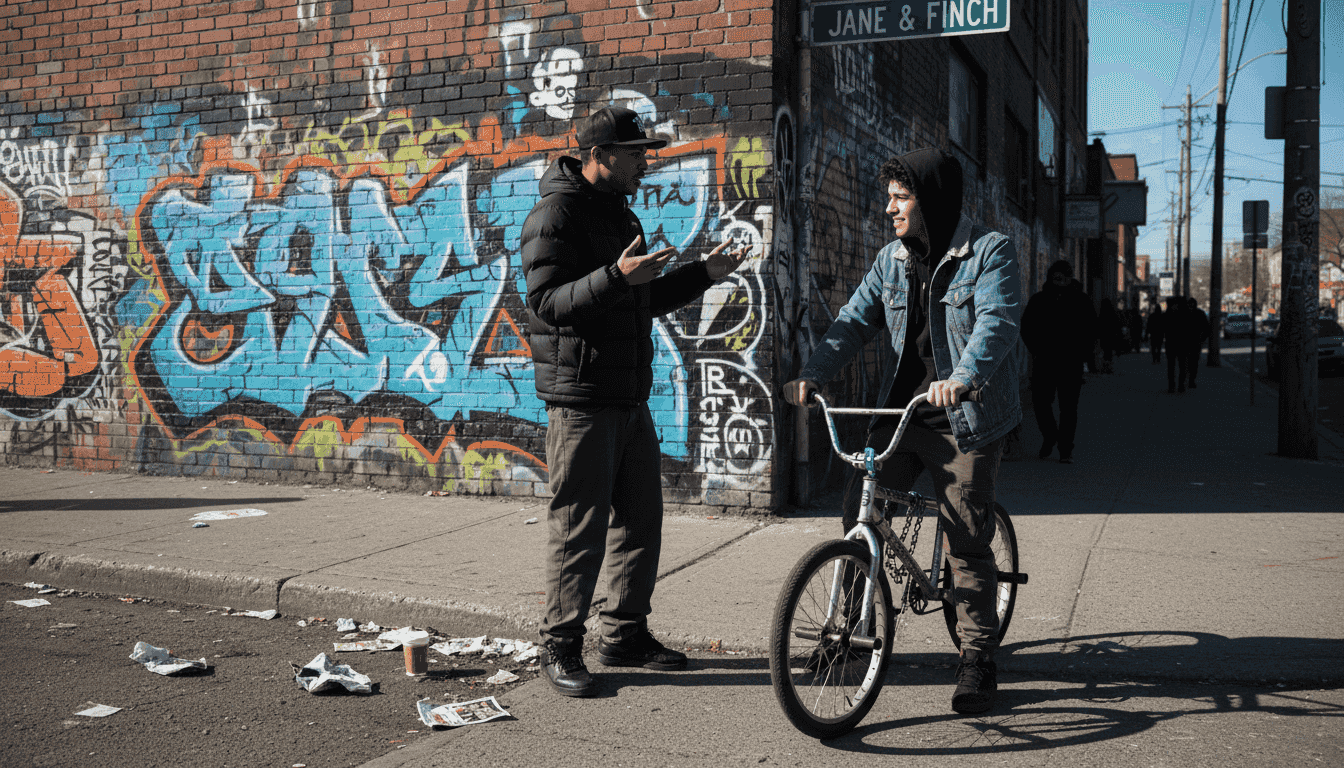
Most fans think hip hop slang is just creative wordplay, but Toronto's linguistic landscape tells a far more complex story. The city's multicultural fusion of Caribbean patois, African dialects, and Middle Eastern influences creates a dialect unlike anywhere else in hip hop. This guide breaks down Toronto's unique terminology, the artists driving its global spread, and how social media transforms local street talk into worldwide trends that shape modern hip hop culture.
Table of Contents
- The cultural roots of Toronto hip hop terminology
- Key hip hop terms and slang from Toronto's scene explained
- Toronto hip hop artists shaping slang and culture today
- How social media and platforms amplify Toronto hip hop terminology
- Discover more about Toronto hip hop and drill music
Key takeaways
| Point | Details |
|---|---|
| Cultural fusion | Toronto slang blends Caribbean, African, and Middle Eastern influences with Canadian English, creating a unique multicultural dialect. |
| Artist influence | Rappers like Pressa use Toronto slang in storytelling to reflect street culture and popularize terms globally. |
| Digital amplification | Social media platforms like TikTok and Instagram turn local slang into viral trends within hours. |
| Identity expression | Toronto hip hop terminology communicates belonging, social status, and cultural pride within youth communities. |
| Contextual meaning | Slang significance shifts based on tone, timing, and social setting, making intent more important than literal definitions. |
The cultural roots of Toronto hip hop terminology
Toronto's slang isn't random street talk. It's a cultural language system shaped by immigration and decades of community building in one of North America's most diverse cities. The dialect known as Multicultural Toronto English arose from ethnic enclaves where Black Canadians and immigrant communities developed linguistic shortcuts that expressed shared experiences.
The foundation combines Caribbean patois with African and Middle Eastern influences, layered over Canadian English grammar structures. Jamaican Patois contributes rhythmic patterns and pronunciation styles. Somali and Arabic vocabulary adds specific terms for social concepts. This linguistic blending happens naturally in neighborhoods where multiple languages coexist, creating a fluid dialect that evolves constantly.
Key influences shaping Toronto slang include:
- Caribbean diaspora communities bringing patois pronunciation and rhythm patterns
- African immigrant populations contributing vocabulary for social relations and respect
- Middle Eastern communities adding terms for brotherhood and loyalty concepts
- Canadian English providing the grammatical structure and formal language base
- Hip hop culture accelerating adoption and spreading terms beyond ethnic boundaries
This Caribbean influence extends into drill music production and lyrical content. The slang expresses identity markers that signal where you're from, who you run with, and how you navigate Toronto's complex social landscape. It's humor, defense mechanism, and cultural pride rolled into everyday communication.
Understanding Toronto drill history reveals how these linguistic patterns emerged from specific neighborhoods and spread citywide. The terminology reflects real social dynamics, not manufactured coolness. Each term carries weight within the community, functioning as both language and cultural code.
Key hip hop terms and slang from Toronto's scene explained
Toronto hip hop vocabulary operates on multiple levels simultaneously. Surface meanings tell one story, but context and delivery communicate the real message. The fluid, context-driven nature means the same word can express respect, challenge, or humor depending on who says it and how.
'The 6ix' references Toronto's area codes (416 and 647) and six former boroughs that merged into the modern city. Drake popularized this nickname globally, transforming a local reference into an internationally recognized brand. 'T Dot' predates 'The 6ix' by decades, used primarily by older generations and long-time residents who remember pre-amalgamation Toronto.
Common terms you'll hear in Toronto hip hop:
- 'Waste yute' describes someone acting foolish or untrustworthy
- 'Mans' refers to oneself or a group, depending on context ('mans hungry' or 'those mans')
- 'Reach' means to arrive or show up ('reach the spot')
- 'Ahlie' expresses agreement or seeks confirmation ('that's facts, ahlie?')
- 'Wallahi' borrowed from Arabic, emphasizes truthfulness ('wallahi, I was there')
- 'Fiend' describes someone desperate or acting out of character for something
One expert notes that 'Toronto slang isn't about grammar, it's about energy and intent'. A word delivered with the wrong tone can flip its entire meaning. This complexity makes Toronto slang challenging for outsiders to master authentically, because technical knowledge doesn't equal cultural fluency.
Pro Tip: Listen to melodic drill versus trap patterns to hear how artists manipulate slang for rhythmic flow. The musical delivery often reveals more about meaning than dictionary definitions.
Toronto slang functions as social shorthand. Saying 'bare' instead of 'very' or 'a lot' immediately signals local identity. Using 'fam' or 'g' as address terms establishes familiarity and respect. The inside Toronto drill scene shows how artists weaponize these terms in lyrics to communicate street credibility and territorial claims.
Toronto hip hop artists shaping slang and culture today
Pressa stands as Toronto's most influential slang ambassador in current hip hop. His debut album 'Prestige' reached number one on Canadian hip hop charts by authentically reflecting street language and experiences. His gritty storytelling and high-pitched delivery captures Toronto's raw energy, making local terminology accessible to international audiences.
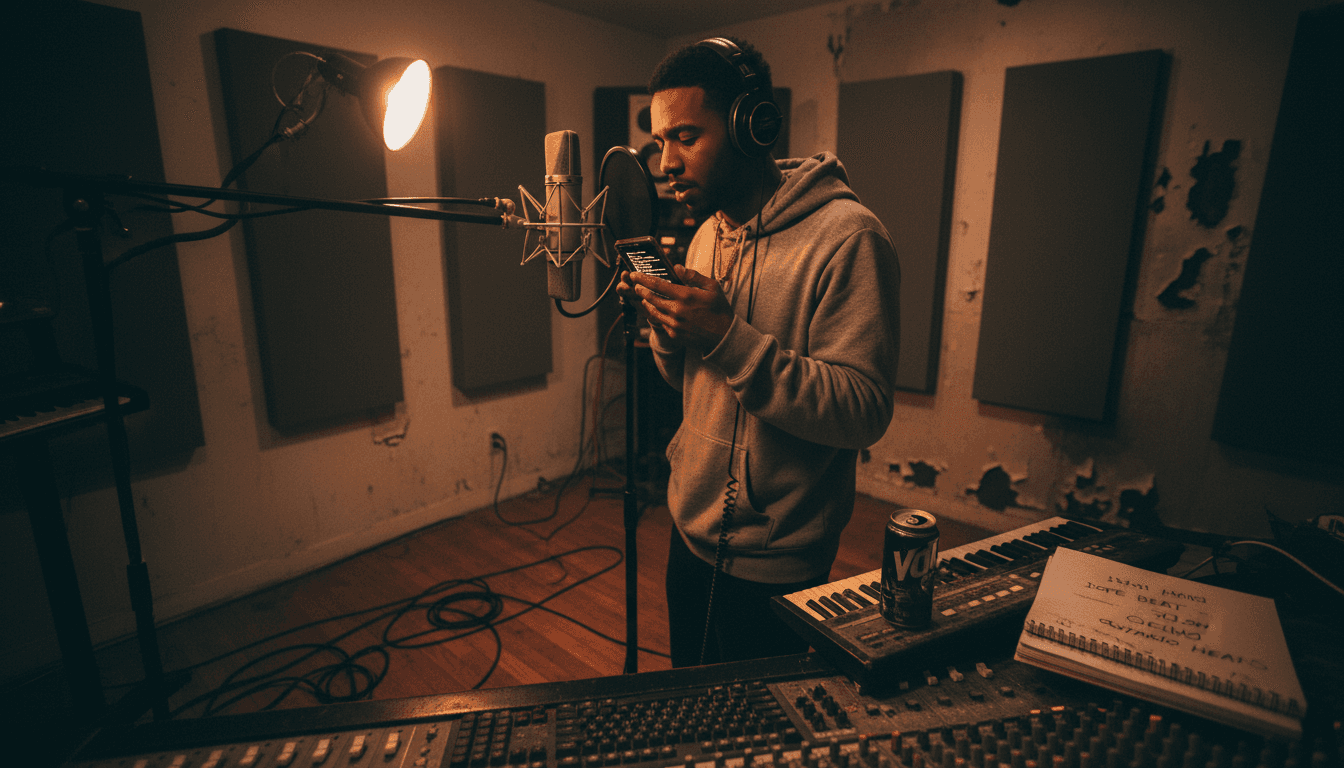
Pressa's music demonstrates how slang communicates complex social realities. Tracks reference specific neighborhoods, conflicts, and cultural touchpoints that Toronto listeners recognize immediately. International fans might miss deeper meanings, but the energy and authenticity translate universally. His lyrics document how language evolves in real time within the community.
The public feud between Pressa and Top5 illustrates slang's social power beyond music. Diss tracks and social media callouts use specific terminology to challenge credibility and question street legitimacy. These conflicts aren't just entertainment, they're linguistic warfare where word choice carries real consequences.
Artists driving Toronto's linguistic evolution:
- Pressa blends Caribbean influences with Toronto street narratives
- Drake brought Toronto slang mainstream but sanitized for global consumption
- Duvy represents newer generation pushing boundaries of drill terminology
- Burna Bandz captured specific neighborhood dialects before his death
- Houdini popularized certain phrases that became citywide standards
Pro Tip: Compare Toronto drill history with UK drill evolution to see how similar street cultures develop distinct slang despite shared musical influences.
Rapper Kamikaze views this slang evolution as part of generational and cultural shifts rather than random changes. Each generation adapts existing terms and creates new ones reflecting their specific experiences. The terminology documents social change, tracking how Toronto's hip hop community navigates identity, conflict, and opportunity.
Artists don't just use slang, they actively shape its development. A catchy phrase in a viral track becomes citywide vocabulary within weeks. Music videos provide visual context for terms, teaching proper usage through example. This circular relationship between artists and community keeps the language fresh and relevant.
How social media and platforms amplify Toronto hip hop terminology
Digital platforms transformed Toronto slang from localized communication into global phenomenon. What once spread block by block now goes viral worldwide within hours of hitting TikTok or Instagram. A Toronto artist's slang-heavy track can influence hip hop vocabulary in London, New York, or Melbourne before the song finishes trending.

TikTok drives the fastest adoption cycles. Users create challenge videos, dance trends, and comedy skits using Toronto slang, exposing millions to terminology that previously required street-level immersion. Instagram stories and reels provide bite-sized slang education, with users explaining terms through quick videos. Twitter threads break down linguistic origins and proper usage contexts.
Streaming platforms create pipelines connecting Toronto streets directly to global audiences. Spotify playlists featuring Toronto drill expose international listeners to authentic slang usage. Apple Music's curated collections introduce terminology alongside the music, providing cultural context. YouTube comment sections become impromptu slang dictionaries where fans explain meanings to curious listeners.
Platform impact breakdown:
| Platform | Primary Impact | Speed of Spread | Audience Reach |
|---|---|---|---|
| TikTok | Viral challenges and comedy using Toronto slang | Hours to days | 10M+ potential views |
| Visual context through reels and stories | Days to weeks | 5M+ engaged users | |
| Twitter/X | Real-time discussion and linguistic debates | Minutes to hours | 2M+ hip hop community |
| Spotify | Music discovery and playlist curation | Weeks to months | 50M+ global listeners |
| YouTube | Long-form content and music video context | Days to months | 100M+ potential reach |
This acceleration changes how slang functions culturally. Terms that once required years to spread beyond origin neighborhoods now achieve global recognition in weeks. The speed creates tension between authentic usage and appropriation, as people worldwide adopt terminology without understanding deeper cultural significance.
Social media marketing strategies for drill artists now center on maximizing slang visibility. Artists deliberately use trending terminology in captions, hashtags, and video titles to boost algorithmic promotion. Fan engagement tactics include explaining slang meanings, creating educational content, and encouraging user-generated content featuring local terminology.
Digital platforms also democratize slang creation. Fans contribute new terms through comments and shares, influencing artists who then legitimize the vocabulary by using it in tracks. This feedback loop accelerates linguistic innovation while maintaining community ownership over meaning and proper usage.
Discover more about Toronto hip hop and drill music
Ready to dive deeper into Toronto's unique sound and cultural impact? Young Hadene's platform offers comprehensive resources exploring every dimension of the city's hip hop evolution. Learn how Caribbean influence shapes drill music production and lyrical approaches, connecting linguistic patterns to sonic innovation.

Explore detailed trap music guides breaking down production techniques, beat structures, and how Toronto artists adapt American trap foundations with local flavor. Access complete discographies and album analyses documenting how Toronto's hip hop sound developed from underground movement to global force. Each resource connects musical evolution with the slang and terminology that makes Toronto's scene distinctive.
Frequently asked questions
What is Toronto slang in hip hop?
Toronto slang represents a multicultural urban dialect blending Caribbean patois, African languages, Middle Eastern vocabulary, and Canadian English structures. It emerged from immigrant communities and ethnic enclaves where diverse populations created linguistic shortcuts reflecting shared experiences. In hip hop, this slang communicates identity, social status, and cultural belonging while serving as artistic expression that distinguishes Toronto's sound from other cities. Understanding Toronto drill history reveals how this terminology evolved alongside the music, shaping both lyrical content and community identity.
How did Toronto slang become popular worldwide?
Toronto artists like Drake and Pressa brought local terminology to international audiences through viral music and authentic storytelling. Social media platforms, especially TikTok and Instagram, accelerated spread by turning slang into shareable content that transcends geographic boundaries. Streaming services exposed millions of listeners worldwide to Toronto hip hop, making local terms part of global vocabulary. Social media marketing strategies now deliberately amplify slang visibility, creating viral moments that boost both artists and terminology simultaneously.
Who are some key Toronto hip hop artists associated with slang?
Pressa leads Toronto's current wave, using authentic street language and high-pitched delivery that captures the city's raw energy. Drake popularized Toronto globally but adapted slang for mainstream consumption. Duvy, Burna Bandz, and Houdini each contributed distinct neighborhood dialects and terminology before some tragically passed. These artists don't just use slang, they actively shape its evolution through music that documents real experiences. Exploring the inside Toronto drill scene reveals dozens more artists pushing linguistic boundaries and creating new vocabulary reflecting their generation's reality.
What's the difference between 'The 6ix' and 'T Dot'?
'T Dot' represents the older Toronto nickname, used primarily by generations who remember pre-amalgamation days and the city's grittier reputation. 'The 6ix' emerged through Drake's branding, referencing area codes 416 and 647 plus the six boroughs that merged into modern Toronto. Younger generations prefer 'The 6ix' while older residents stick with 'T Dot', creating a generational linguistic divide that reflects broader cultural shifts. Both terms signal Toronto identity, but usage reveals age, neighborhood loyalty, and relationship to the city's hip hop evolution.